
Revolutionary Movements and Secret Networks
Revolutionary Movements and Secret Networks (1917–1947)
Study Module with Detailed Revision Notes
Course: Most Controversial and Conspiracy Cases in Indian History – A Chronological, Evidence-Based Analysis
Module 7: Freedom Struggle & Disputed Narratives
Timeline Covered: 1917 CE – 1947 CE
Lesson Focus: Revolutionary Movements and Underground Secret Networks
Based on the Lesson followed by the above Module and Course, we have created study materials aligned to the needs of UPSC, State PSC, UGC-NET, CUET, CBSE, and all school, college, and university examinations in India:
- Study Module with Revision Notes,
- Questions with Answers,
- MCQs with Answers and detailed explanations.
- CUET-style Assertion–Reason MCQs
1. Lesson Orientation and Historical Context
Between 1917 and 1947, India’s freedom struggle entered a complex dual-phase: the mass, constitutional movements led by the Indian National Congress ran parallel to clandestine revolutionary organisations committed to armed resistance, political assassinations, sabotage, and international conspiracies against British imperial rule.
This lesson examines how secret networks functioned, how they were ideologically driven, and why their role remains controversial in mainstream nationalist historiography. It also evaluates British intelligence responses and the long-term impact of revolutionary activity on colonial policy and public consciousness.
2. Ideological Foundations of Revolutionary Nationalism
2.1 Shift from Moderation to Militancy
After the disillusionment following the Home Rule Movement, revolutionary nationalism gained momentum. Young nationalists rejected petitions and resolutions, believing violence was a necessary catalyst against imperial power.
Key ideological influences included:
- Irish Republican Army (IRA) guerrilla tactics
- Russian Revolution (1917) and Marxist ideas
- Anti-colonial uprisings in Egypt, Turkey, and China
2.2 Core Beliefs
- Political freedom must be seized, not granted
- Individual sacrifice could awaken national consciousness
- Secret organisations ensured survival against colonial surveillance
3. Major Revolutionary Organisations and Secret Networks

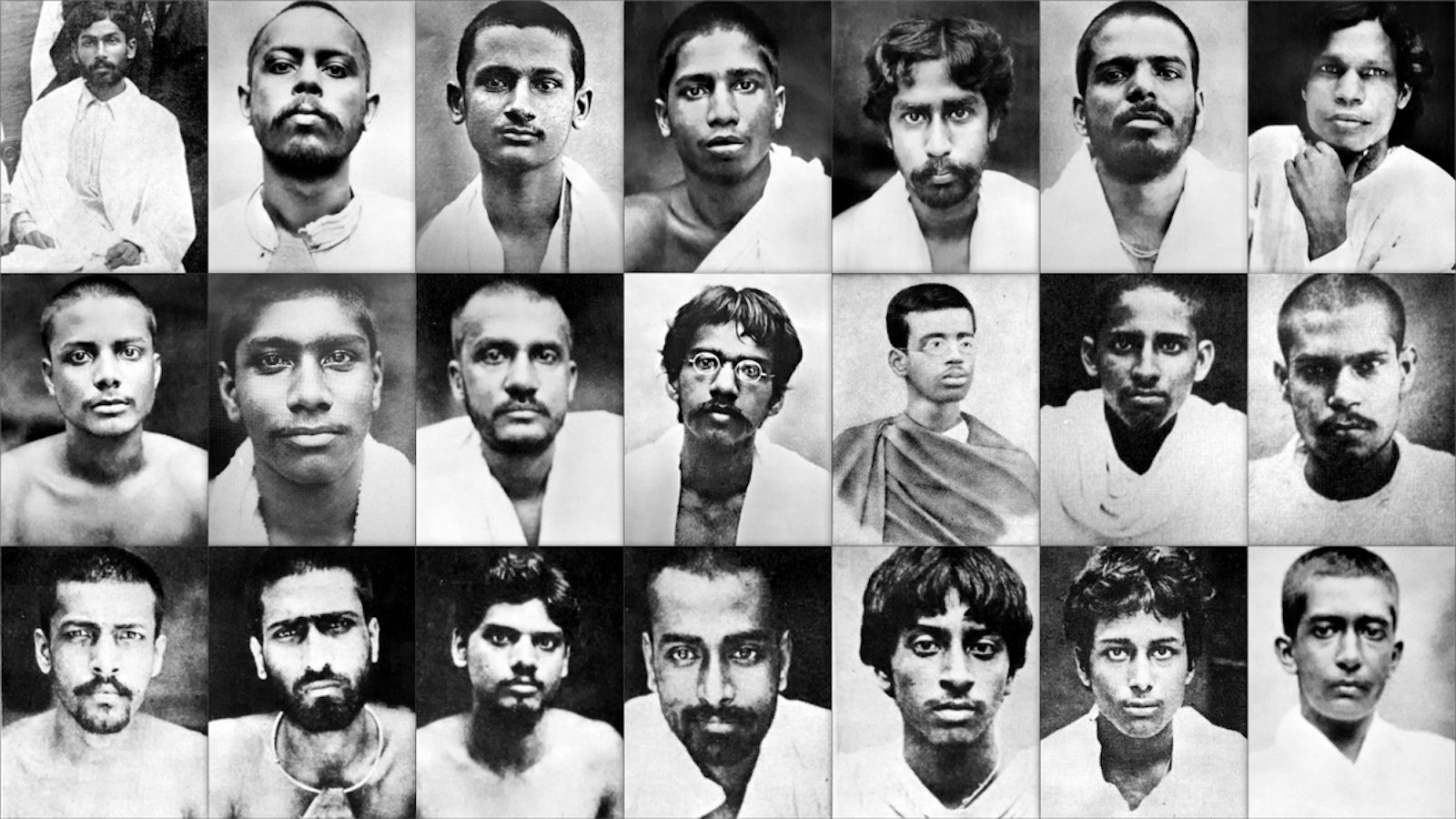


3.1 Anushilan Samiti & Jugantar (Bengal)
Formed in the early 20th century, these groups combined:
- Physical training
- Bomb-making units
- Religious symbolism with nationalism
They were involved in political assassinations and robberies to fund activities.
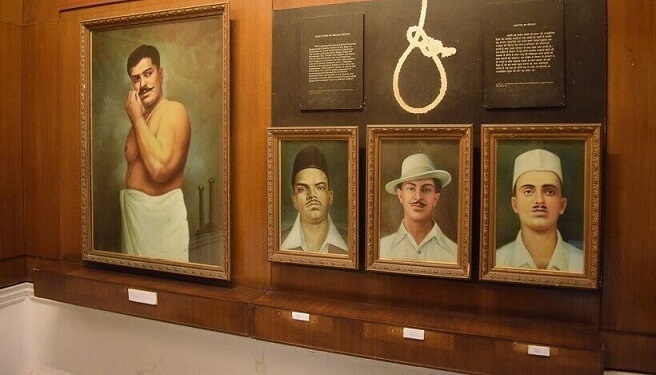
3.2 Hindustan Socialist Republican Association (HSRA)
Led by figures like Bhagat Singh, Chandrasekhar Azad, and Sukhdev Thapar, the HSRA represented a shift toward scientific socialism.
Key features:
- Use of propaganda alongside violence
- Emphasis on martyrdom to inspire masses
- Opposition to communal politics
3.3 Ghadar Party
Founded abroad by Lala Har Dayal, the Ghadar Party sought to spark a mutiny within the British Indian Army during World War I.
Its international reach alarmed British intelligence and led to harsh crackdowns.
4. International Conspiracies and Transnational Networks


4.1 Berlin Committee and World War I Plots
Indian revolutionaries collaborated with Germany to undermine British rule. Though militarily unsuccessful, they:
- Exposed imperial vulnerabilities
- Forced Britain to expand intelligence operations
4.2 Subhas Chandra Bose and the INA
Subhas Chandra Bose revived militant nationalism during World War II through the Indian National Army (INA) and Azad Hind Government.
The INA:
- Allied with Axis powers
- Mobilised Indian POWs
- Challenged the myth of British invincibility
Though defeated militarily, INA trials created mass nationalist outrage, weakening colonial legitimacy.
5. British Intelligence, Surveillance, and Repression

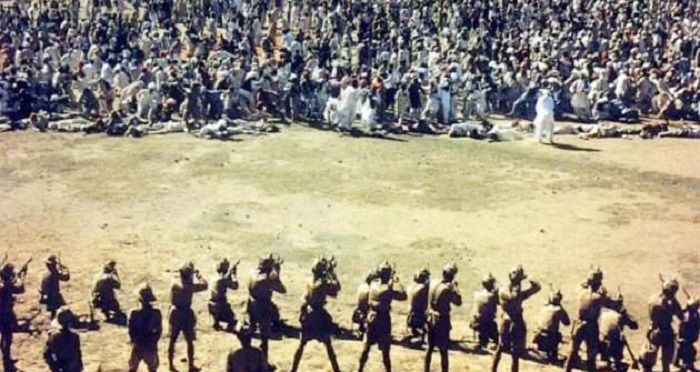
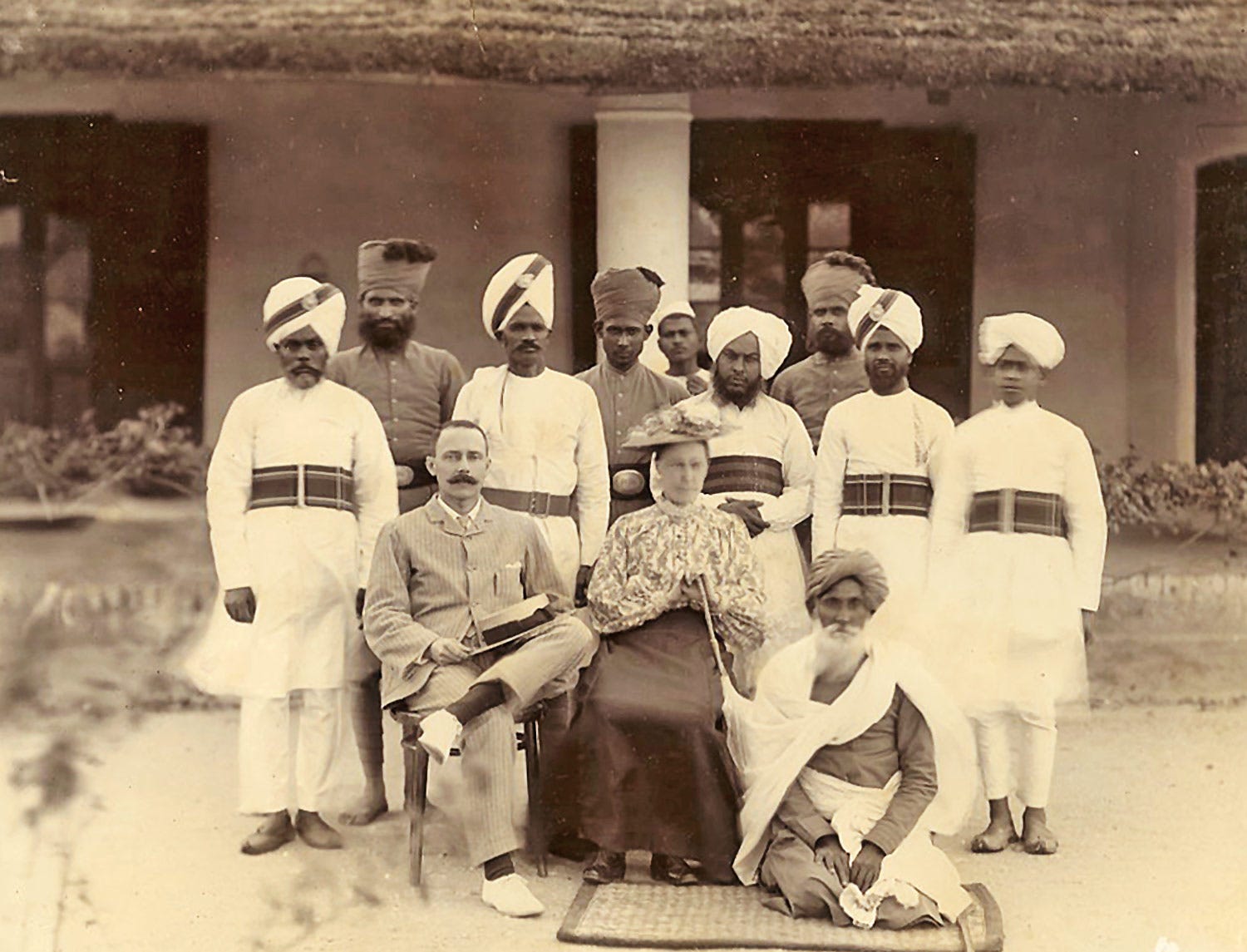

5.1 Colonial Intelligence Machinery
The British developed an extensive surveillance system:
- CID branches across provinces
- Informant networks
- Interception of letters and coded messages
5.2 Legal Instruments of Control
- Rowlatt Act (1919): Allowed detention without trial
- Emergency ordinances and military tribunals
- Transportation to Cellular Jail, Andaman
These measures often radicalised youth further, instead of suppressing dissent.
6. Revolutionary Violence: Moral and Strategic Debates
6.1 Revolutionary Justifications
- Violence was seen as retaliatory justice
- Martyrdom symbolised sacrifice for collective freedom
- Propaganda of the deed aimed to awaken passive masses
6.2 Criticism and Controversy
- Gandhian leadership criticised violence as counterproductive
- British used revolutionary acts to justify repression
- Post-independence narratives marginalised revolutionaries in favour of constitutional nationalism
This ideological divide remains one of the most disputed aspects of India’s freedom struggle.
7. Interaction with Mass Movements
Despite ideological differences, revolutionary actions:
- Energised youth participation
- Pressurised British authorities during mass movements like Non-Cooperation and Quit India
- Created a psychological fear of rebellion within colonial administration
Revolutionary nationalism and Gandhian mass movements functioned as parallel pressures, accelerating British withdrawal.
8. Decline, Legacy, and Historical Reassessment
8.1 Reasons for Decline
- Heavy infiltration by intelligence agencies
- Execution and imprisonment of leaders
- Shift of popular support toward mass politics
8.2 Legacy
- Inspired later socialist and left movements
- Influenced military disaffection (INA, RIN Mutiny)
- Symbolised uncompromising patriotism
Modern historiography increasingly recognises revolutionary networks as integral rather than marginal to India’s independence.
9. Chronological Quick-Revision Timeline
- 1917–1918: Global revolutionary influence intensifies
- 1919: Rowlatt Act and repression
- 1925: Kakori Conspiracy
- 1928–1931: HSRA activities and martyrdoms
- 1940–1945: INA and Bose’s campaigns
- 1946: INA trials and naval mutiny
- 1947: British withdrawal and independence
10. Examination-Oriented Revision Notes
Key Themes to Remember
- Revolutionary nationalism was organised, ideological, and global
- Secret networks relied on discipline, secrecy, and sacrifice
- British intelligence played a crucial role in shaping outcomes
- Postcolonial narratives often downplayed revolutionary contributions
Keywords
Revolutionary terrorism, underground networks, colonial surveillance, ideological radicalism, martyrdom, INA, HSRA, Ghadar Movement
Probable Exam Questions
- “Assess the role of revolutionary movements in weakening British rule.”
- “Examine the ideological conflict between Gandhian non-violence and revolutionary nationalism.”
- “Analyse the impact of international networks on India’s freedom struggle.”
11. Concluding Perspective
The revolutionary movements and secret networks between 1917 and 1947 represent the most controversial yet indispensable dimension of India’s freedom struggle. They challenged imperial authority not just politically but psychologically, ensuring that independence was not merely negotiated—but inevitable.
Revolutionary Movements and Secret Networks (1917–1947)
Questions with Answers
Q1. What is meant by ‘revolutionary nationalism’ in the Indian freedom struggle?
Answer:
Revolutionary nationalism refers to the ideology that believed India’s independence could be achieved only through armed resistance, political violence, and underground activities, rather than constitutional reforms or negotiations with the British government.
Q2. Name any two revolutionary organisations active in Bengal during the early 20th century.
Answer:
- Anushilan Samiti
- Jugantar
Q3. Which global event of 1917 inspired Indian revolutionaries ideologically?
Answer:
The Russian Revolution of 1917 inspired Indian revolutionaries by demonstrating the overthrow of an imperial regime through mass mobilisation and armed struggle.
Q4. Who was the chief ideological inspiration behind the socialist orientation of the HSRA?
Answer:
Bhagat Singh was the chief ideological inspiration behind the socialist and anti-imperialist orientation of the Hindustan Socialist Republican Association (HSRA).
Q5. What was the primary objective of the Ghadar Party?
Answer:
The primary objective of the Ghadar Party was to incite a mutiny within the British Indian Army and overthrow British rule through a coordinated armed uprising.
Q6. Explain the role of secret societies in sustaining revolutionary movements.
Answer:
Secret societies provided organisational discipline, secrecy, and protection from colonial surveillance. They operated through coded communication, compartmentalised cells, and underground networks, enabling continuity despite arrests and executions.
Q7. Why did revolutionary movements gain support among Indian youth after World War I?
Answer:
Post-war economic distress, repressive laws like the Rowlatt Act, and disillusionment with constitutional politics led youth to believe that militant action was the only effective response to colonial oppression.
Q8. What was the significance of the Kakori Conspiracy (1925)?
Answer:
The Kakori Conspiracy symbolised the transition from sporadic violence to organised revolutionary action, aiming to fund revolutionary activities by targeting colonial financial infrastructure.
Q9. How did revolutionary propaganda differ from Gandhian mobilisation methods?
Answer:
Revolutionary propaganda relied on dramatic acts, martyrdom, and symbolic violence, whereas Gandhian mobilisation emphasised mass participation, moral persuasion, and non-violence.
Q10. Mention two methods used by British intelligence to suppress revolutionary networks.
Answer:
- Extensive surveillance through CID and informants
- Preventive detention and special laws allowing imprisonment without trial
Q11. Discuss the ideological evolution of the Hindustan Socialist Republican Association (HSRA).
Answer:
The HSRA evolved from nationalist militancy to scientific socialism, influenced by Marxist ideas. Leaders like Bhagat Singh rejected religious nationalism and emphasised class struggle, secularism, and revolutionary education alongside armed resistance.
Q12. Examine the international dimensions of India’s revolutionary movement.
Answer:
Indian revolutionaries established networks in Europe, North America, and Southeast Asia, collaborating with foreign powers during World Wars. These connections internationalised the freedom struggle and exposed the vulnerability of British imperial control.
Q13. Analyse the significance of the Indian National Army (INA) in the freedom struggle.
Answer:
Under Subhas Chandra Bose, the INA militarised nationalism and challenged British loyalty within the Indian armed forces. Although militarily unsuccessful, INA trials ignited widespread nationalist sentiment.
Q14. Why were revolutionary movements often labelled as ‘terrorist’ by colonial authorities?
Answer:
The British used the term ‘terrorist’ to delegitimise revolutionary violence, justify repressive laws, and isolate militants from mass support, despite the political motivations behind their actions.
Q15. How did revolutionary activities influence British colonial policy?
Answer:
They forced the British to expand intelligence networks, enact emergency laws, and increasingly view Indian rule as costly and unstable, contributing indirectly to the decision to withdraw.
Q16. Evaluate the role of revolutionary movements in weakening British rule in India.
Answer:
Revolutionary movements undermined British authority psychologically and politically by challenging the myth of imperial invincibility. Their actions complemented mass movements by creating fear, urgency, and instability, making colonial governance increasingly untenable.
Q17. Compare revolutionary nationalism with Gandhian non-violent resistance.
Answer:
Revolutionary nationalism relied on violence, secrecy, and elite sacrifice, while Gandhian resistance focused on mass mobilisation, moral authority, and non-violence. Though ideologically opposed, both contributed to the weakening of colonial rule.
Q18. Discuss the reasons for the decline of revolutionary movements by the 1940s.
Answer:
The decline resulted from intelligence infiltration, executions, imprisonment of leaders, and the rise of mass-based movements that attracted wider public support.
Q19. Assess the role of youth and students in revolutionary organisations.
Answer:
Youth formed the backbone of revolutionary groups due to idealism, impatience with gradual reforms, and exposure to global revolutionary ideas, making campuses and youth clubs centres of radicalisation.
Q20. Examine the moral debates surrounding revolutionary violence in India’s freedom struggle.
Answer:
While revolutionaries justified violence as retaliatory and necessary, critics argued it provoked repression and contradicted ethical nationalism. This debate remains central to historiographical disputes.
Q21. “Revolutionary movements were not isolated acts of violence but part of a broader anti-colonial strategy.” Analyse.
Answer:
Revolutionary movements functioned within organised networks, ideological frameworks, and international alliances. They strategically aimed to destabilise colonial authority, inspire mass awakening, and complement constitutional and mass struggles.
Q22. Critically examine the contribution of secret networks to India’s independence.
Answer:
Secret networks ensured continuity of resistance under repression, facilitated coordination across regions, and maintained ideological commitment. Though limited in mass reach, their symbolic power was immense.
Q23. Analyse the impact of British intelligence and surveillance on revolutionary nationalism.
Answer:
While surveillance weakened organisations through arrests and executions, it also intensified resentment, radicalised youth, and exposed the coercive nature of colonial rule.
Q24. How has post-independence historiography treated revolutionary movements?
Answer:
Post-independence narratives largely privileged constitutional nationalism, marginalising revolutionaries. Recent scholarship, however, reassesses them as integral contributors to freedom.
Q25. To what extent did revolutionary movements accelerate British withdrawal from India?
Answer:
Revolutionary movements created sustained instability, military disaffection, and psychological pressure. Combined with mass movements and global post-war realities, they significantly accelerated British exit.
Revolutionary Movements and Secret Networks (1917–1947)
MCQs with Answers & Explanations
Q1. Revolutionary nationalism in India primarily differed from moderate nationalism in its
A. acceptance of British constitutional reforms
B. emphasis on armed resistance and secrecy
C. reliance on peasant movements alone
D. support for communal politics
Correct Answer: B
Explanation:
Revolutionary nationalism rejected gradual reforms and constitutional methods, advocating armed struggle, secret societies, and political violence as necessary tools to overthrow colonial rule.
Q2. Which global event most directly inspired the ideological shift of Indian revolutionaries after 1917?
A. French Revolution
B. American Civil War
C. Russian Revolution
D. Chinese Revolution of 1949
Correct Answer: C
Explanation:
The Russian Revolution (1917) demonstrated the overthrow of an imperial regime through revolutionary means, deeply influencing Indian youth and socialist-oriented revolutionaries.
Q3. Anushilan Samiti and Jugantar were primarily active in
A. Punjab
B. Maharashtra
C. Bengal
D. United Provinces
Correct Answer: C
Explanation:
Both Anushilan Samiti and Jugantar emerged in Bengal, where revolutionary nationalism developed early through secret training and underground networks.
Q4. The Hindustan Socialist Republican Association (HSRA) was ideologically closest to
A. religious nationalism
B. Gandhian non-violence
C. scientific socialism
D. constitutional liberalism
Correct Answer: C
Explanation:
The HSRA, inspired by Marxist ideas, moved toward scientific socialism, rejecting religious and communal nationalism.
Q5. Which revolutionary leader famously stated that “the sword of revolution is sharpened on the whetting stone of ideas”?
A. Subhas Chandra Bose
B. Bhagat Singh
C. Lala Lajpat Rai
D. Chittaranjan Das
Correct Answer: B
Explanation:
Bhagat Singh emphasised ideological clarity and political education, arguing that revolution required ideas, not just violence.
Q6. The primary aim of the Ghadar Party was to
A. support Home Rule
B. mobilise peasants for non-cooperation
C. incite mutiny within the British Indian Army
D. negotiate dominion status
Correct Answer: C
Explanation:
The Ghadar Party sought to trigger a military revolt, believing that army mutiny could collapse British authority.
Q7. Which feature best explains the effectiveness of revolutionary secret networks?
A. Open mass membership
B. Centralised public leadership
C. Cell-based organisational structure
D. Dependence on British legal support
Correct Answer: C
Explanation:
Revolutionary organisations used small, compartmentalised cells, ensuring secrecy and survival even if some members were arrested.
Q8. The Kakori Conspiracy (1925) was mainly intended to
A. assassinate British officials
B. loot government treasury to fund revolution
C. protest the Simon Commission
D. free political prisoners
Correct Answer: B
Explanation:
The Kakori action targeted a government train carrying treasury funds to finance revolutionary activities.
Q9. British authorities commonly labelled revolutionary activities as “terrorism” mainly to
A. recognise their ideological strength
B. gain Indian public sympathy
C. delegitimise nationalist violence
D. support revolutionary ideology
Correct Answer: C
Explanation:
The term “terrorism” was used to criminalise political resistance and justify harsh colonial repression.
Q10. Which law allowed detention without trial and intensified revolutionary resentment after 1919?
A. Indian Councils Act
B. Montagu–Chelmsford Reforms
C. Rowlatt Act
D. Government of India Act, 1935
Correct Answer: C
Explanation:
The Rowlatt Act expanded colonial powers of arrest and detention, radicalising many Indian youths.
Q11. The HSRA differed from earlier revolutionary groups mainly because it
A. rejected violence completely
B. opposed youth participation
C. openly adopted socialist ideology
D. worked under Congress leadership
Correct Answer: C
Explanation:
Unlike earlier groups, HSRA consciously adopted socialism and atheism, moving beyond religious symbolism.
Q12. Which factor limited the mass reach of revolutionary movements?
A. Lack of commitment
B. Excessive British support
C. Secrecy and underground nature
D. Overdependence on peasants
Correct Answer: C
Explanation:
Secrecy ensured survival but restricted mass participation, unlike open Gandhian movements.
Q13. The internationalisation of India’s revolutionary movement is best seen in the activities of
A. Swadeshi Movement
B. Ghadar Party and Berlin Committee
C. Civil Disobedience Movement
D. Bardoli Satyagraha
Correct Answer: B
Explanation:
These organisations operated across continents, collaborating with foreign powers against British rule.
Q14. The Indian National Army (INA) became significant mainly because it
A. defeated the British militarily
B. remained a secret society
C. challenged British loyalty within Indian forces
D. replaced Congress leadership
Correct Answer: C
Explanation:
The INA weakened the moral authority of the British over Indian soldiers, especially during INA trials.
Q15. Revolutionary movements complemented mass movements by
A. opposing all Congress activities
B. creating psychological pressure on colonial rule
C. weakening nationalist unity
D. promoting communal divisions
Correct Answer: B
Explanation:
While limited in numbers, revolutionary actions generated fear and urgency, reinforcing mass resistance.
Q16. Which of the following best explains the decline of revolutionary movements by the 1940s?
A. Public rejection of nationalism
B. British generosity
C. Intelligence infiltration and repression
D. Economic prosperity
Correct Answer: C
Explanation:
Extensive surveillance, executions, and arrests severely weakened revolutionary organisations.
Q17. Revolutionary violence was justified by its supporters primarily as
A. criminal revenge
B. personal ambition
C. retaliatory justice against imperial oppression
D. communal dominance
Correct Answer: C
Explanation:
Revolutionaries viewed violence as political retaliation, not random criminality.
Q18. Which ideological conflict remained central to India’s freedom struggle?
A. Socialism vs capitalism
B. Revolution vs non-violence
C. Federalism vs unitary state
D. Language-based nationalism
Correct Answer: B
Explanation:
The debate between Gandhian non-violence and revolutionary militancy shaped nationalist strategies.
Q19. Post-independence historiography initially portrayed revolutionaries as
A. central heroes
B. irrelevant criminals
C. marginal actors compared to constitutional leaders
D. sole architects of freedom
Correct Answer: C
Explanation:
Early narratives privileged constitutional nationalism, often downplaying revolutionary contributions.
Q20. Which quality was most common among revolutionary youth leaders?
A. Political opportunism
B. Ideological rigidity and sacrifice
C. Administrative expertise
D. Electoral experience
Correct Answer: B
Explanation:
Revolutionaries were driven by idealism, discipline, and willingness to sacrifice, often embracing martyrdom.
Q21. The effectiveness of British intelligence during this period resulted in
A. immediate end of nationalism
B. increased radicalisation among youth
C. complete peace in India
D. abolition of revolutionary ideas
Correct Answer: B
Explanation:
Repression often intensified resentment, pushing more youth toward radical ideologies.
Q22. Which statement best reflects the strategic limitation of revolutionary movements?
A. They lacked ideology
B. They failed to inspire youth
C. They could not sustain long-term mass mobilisation
D. They opposed independence
Correct Answer: C
Explanation:
Their underground nature limited large-scale popular participation, unlike mass movements.
Q23. Revolutionary nationalism is best described as
A. spontaneous and unorganised
B. purely violent and irrational
C. ideologically driven and strategically planned
D. completely foreign-inspired
Correct Answer: C
Explanation:
Revolutionary movements were ideological, organised, and strategic, not merely emotional reactions.
Q24. The INA trials of 1945–46 contributed to independence mainly by
A. winning military battles
B. provoking international sanctions
C. triggering mass nationalist outrage
D. establishing socialism
Correct Answer: C
Explanation:
INA trials mobilised public opinion, weakened British legitimacy, and encouraged military disaffection.
Q25. Which conclusion is most appropriate regarding revolutionary movements in India?
A. They delayed independence
B. They were isolated failures
C. They were integral but not exclusive contributors
D. They replaced mass movements
Correct Answer: C
Explanation:
Revolutionary movements did not act alone but played a crucial complementary role alongside mass nationalism.
CUET-Style Assertion–Reason MCQs
Revolutionary Movements and Secret Networks (1917–1947)
Standard Assertion–Reason Options (CUET Pattern)
A. Both Assertion (A) and Reason (R) are true, and R is the correct explanation of A.
B. Both A and R are true, but R is not the correct explanation of A.
C. A is true, but R is false.
D. A is false, but R is true.
Q1.
Assertion (A): Revolutionary nationalism emerged as a response to the limitations of constitutional methods.
Reason (R): Many nationalists believed British rule could only be ended through armed resistance and secret organisation.
Correct Answer: A
Explanation:
Both statements are true, and the belief in armed struggle and underground organisation directly explains the rise of revolutionary nationalism.
Q2.
Assertion (A): The Russian Revolution of 1917 influenced Indian revolutionary ideology.
Reason (R): It demonstrated that an imperial regime could be overthrown through organised revolutionary action.
Correct Answer: A
Explanation:
Indian revolutionaries drew ideological inspiration from the Russian example, making the Reason the correct explanation.
Q3.
Assertion (A): Revolutionary movements relied heavily on secrecy.
Reason (R): Open political activity was protected by colonial laws.
Correct Answer: C
Explanation:
Secrecy was essential due to harsh colonial repression. The Reason is false because open political activity was not protected.
Q4.
Assertion (A): Anushilan Samiti and Jugantar played an important role in Bengal’s revolutionary tradition.
Reason (R): Bengal witnessed early political radicalisation and the growth of secret societies.
Correct Answer: A
Explanation:
Both statements are true, and Bengal’s early radicalism explains the rise of these organisations.
Q5.
Assertion (A): The Hindustan Socialist Republican Association (HSRA) marked an ideological shift in revolutionary nationalism.
Reason (R): It openly adopted socialism and rejected religious nationalism.
Correct Answer: A
Explanation:
HSRA’s ideological commitment to socialism and secularism explains why it represented a shift.
Q6.
Assertion (A): Bhagat Singh emphasised ideology over mere acts of violence.
Reason (R): He believed revolution required intellectual clarity and mass political awakening.
Correct Answer: A
Explanation:
Bhagat Singh’s writings clearly show that ideological education was central to revolutionary success.
Q7.
Assertion (A): The Kakori Conspiracy was a symbolic act against colonial authority.
Reason (R): It aimed to seize government funds to finance revolutionary activities.
Correct Answer: B
Explanation:
Both statements are true, but the Reason explains the objective, not the symbolic nature directly.
Q8.
Assertion (A): The Ghadar Party operated beyond India’s borders.
Reason (R): It aimed to internationalise India’s freedom struggle and provoke military mutiny.
Correct Answer: A
Explanation:
The international location of the Ghadar Party is correctly explained by its revolutionary strategy.
Q9.
Assertion (A): British authorities frequently described revolutionary activities as “terrorism.”
Reason (R): This helped justify repressive laws and delegitimise nationalist resistance.
Correct Answer: A
Explanation:
The colonial state used such labels strategically to suppress political opposition.
Q10.
Assertion (A): The Rowlatt Act intensified revolutionary sentiment in India.
Reason (R): It allowed detention without trial and curtailed civil liberties.
Correct Answer: A
Explanation:
The repressive nature of the Act directly explains the growth of revolutionary resentment.
Q11.
Assertion (A): Revolutionary movements struggled to achieve mass participation.
Reason (R): Their underground and secretive nature limited open mobilisation.
Correct Answer: A
Explanation:
Secrecy ensured survival but restricted mass outreach, making R the correct explanation.
Q12.
Assertion (A): Revolutionary violence was often criticised by Gandhian nationalists.
Reason (R): Non-violence was seen as morally superior and politically more effective.
Correct Answer: A
Explanation:
The ideological commitment to non-violence explains the criticism of revolutionary methods.
Q13.
Assertion (A): Revolutionary movements and mass movements functioned in isolation.
Reason (R): Revolutionaries opposed all forms of popular mobilisation.
Correct Answer: D
Explanation:
Both statements are false. Revolutionary and mass movements often complemented each other.
Q14.
Assertion (A): British intelligence agencies played a major role in weakening revolutionary networks.
Reason (R): Surveillance, informers, and preventive detention disrupted secret organisations.
Correct Answer: A
Explanation:
The systematic intelligence apparatus explains the decline of many revolutionary groups.
Q15.
Assertion (A): Revolutionary movements declined significantly by the 1940s.
Reason (R): Many leaders were executed, imprisoned, or forced underground.
Correct Answer: A
Explanation:
Leadership losses directly contributed to organisational decline.
Q16.
Assertion (A): The Indian National Army (INA) posed a moral challenge to British rule.
Reason (R): It demonstrated that Indian soldiers could turn against the British Empire.
Correct Answer: A
Explanation:
The INA shattered British claims of loyalty within the Indian armed forces.
Q17.
Assertion (A): INA trials triggered widespread nationalist reactions.
Reason (R): They exposed the contradictions of British claims about justice and loyalty.
Correct Answer: A
Explanation:
Public outrage over the trials explains their political significance.
Q18.
Assertion (A): Revolutionary nationalism was purely spontaneous.
Reason (R): It lacked ideology and long-term planning.
Correct Answer: C
Explanation:
The Assertion is false; revolutionary nationalism was ideologically driven and organised.
Q19.
Assertion (A): Youth and students formed the backbone of revolutionary movements.
Reason (R): They were more receptive to radical ideas and impatient with gradual reforms.
Correct Answer: A
Explanation:
Youth idealism and impatience explain their central role.
Q20.
Assertion (A): Revolutionary violence aimed to create fear among the Indian masses.
Reason (R): It sought to awaken political consciousness through dramatic action.
Correct Answer: B
Explanation:
The aim was awakening, not terrorising the masses—hence R does not fully explain A.
Q21.
Assertion (A): Post-independence historiography initially marginalised revolutionary movements.
Reason (R): Constitutional nationalism was prioritised in official narratives.
Correct Answer: A
Explanation:
The dominance of constitutional narratives explains the marginalisation.
Q22.
Assertion (A): Revolutionary movements weakened the psychological foundations of British rule.
Reason (R): They challenged the myth of British invincibility.
Correct Answer: A
Explanation:
Undermining imperial authority psychologically was a major revolutionary impact.
Q23.
Assertion (A): Revolutionary nationalism and Gandhian nationalism were mutually exclusive.
Reason (R): Both sought complete independence from British rule.
Correct Answer: B
Explanation:
Both aimed at independence, but they differed in methods, not objectives.
Q24.
Assertion (A): International revolutionary networks alarmed the British government.
Reason (R): They exposed the global vulnerability of British imperial control.
Correct Answer: A
Explanation:
Internationalisation made colonial control more complex and threatening.
Q25.
Assertion (A): Revolutionary movements alone were sufficient to achieve Indian independence.
Reason (R): Mass movements played only a minor role in the freedom struggle.
Correct Answer: C
Explanation:
Revolutionary movements were important but not sufficient; mass mobilisation was crucial.
Related Keyphrases
-
Revolutionary movements in India MCQs
-
Secret revolutionary organisations India
-
CUET history assertion reason questions
-
Indian freedom struggle revolutionary groups
-
HSRA Ghadar INA MCQs
-
Bhagat Singh revolutionary ideology CUET
-
Underground movements in Indian nationalism
-
Freedom struggle disputed narratives CUET
-
Nationalism and revolution in colonial India
-
British intelligence and Indian revolutionaries